Decline of Singapore's Floating Fish Farms: Farmers Fight to Preserve a Tradition
December 18, 2024 - 06:39
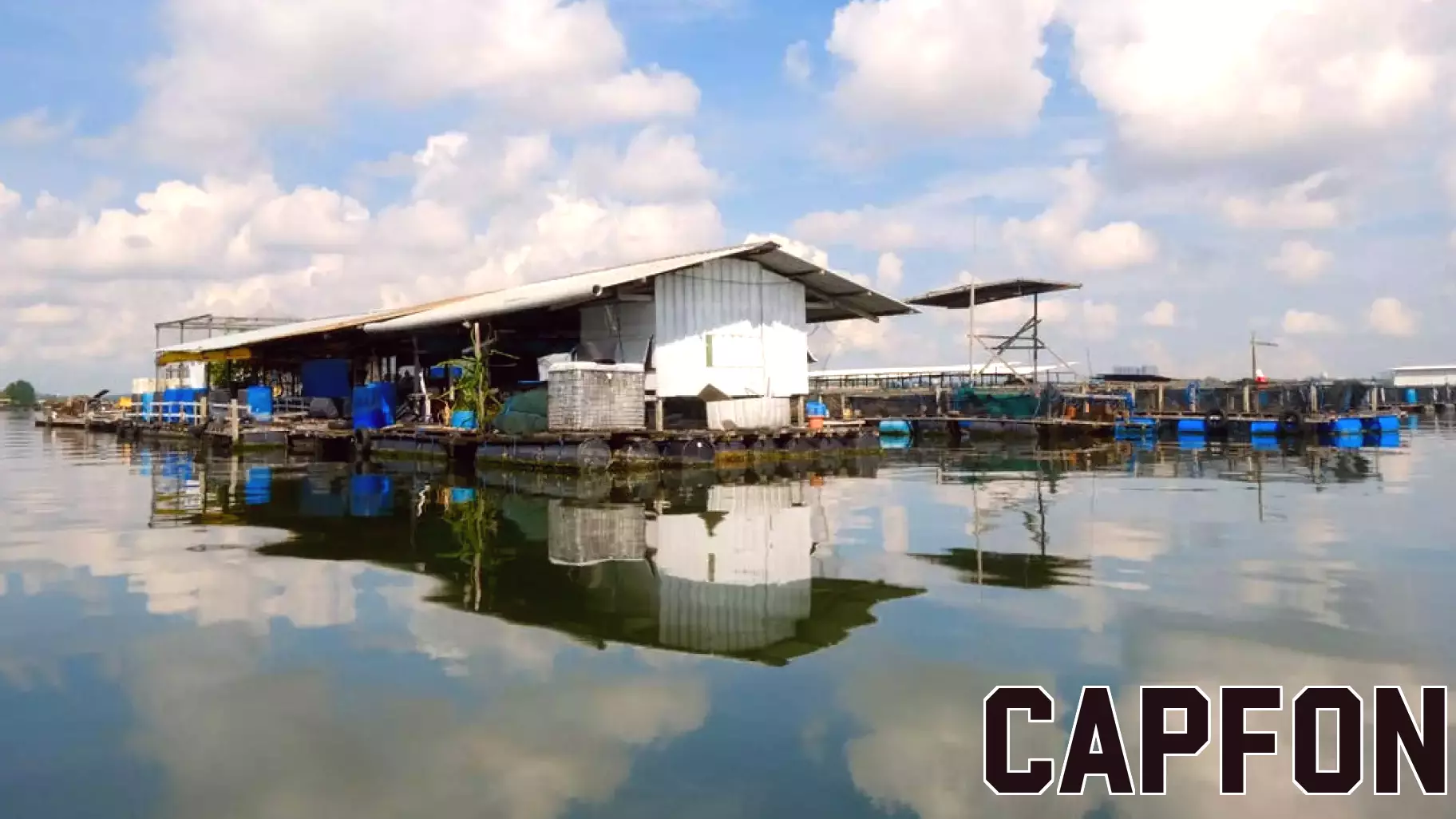
The number of sea-based fish farms in Singapore is dwindling. As of October, only 74 sea-based fish farms remain, according to data from the Singapore Food Agency (SFA). This decline is attributed to rising operational costs and the impacts of climate change, which pose significant challenges for local fish farmers.
Farmers are grappling with increasing expenses related to feed, equipment, and maintenance, forcing many to reconsider their operations. Additionally, environmental factors such as rising sea levels and changing water temperatures are affecting fish health and productivity.
Despite these challenges, some farmers remain determined to sustain their livelihoods and preserve this traditional practice. They are exploring innovative solutions, such as adopting sustainable farming techniques and diversifying their fish species to adapt to changing conditions.
The fight to keep these floating fish farms alive is not just about maintaining a livelihood; it is also about preserving a unique aspect of Singapore's maritime heritage. As the industry faces an uncertain future, the resilience of these farmers is crucial in keeping this tradition afloat.
MORE NEWS

May 14, 2026 - 08:27
Fake business registered to Mass. couple's address raises fraud concernsA Massachusetts couple is raising alarms after discovering a fraudulent business was registered at their home address without their knowledge or consent. The South Shore residents say they first...

May 13, 2026 - 23:45
Barclays hosts annual Small Business Fair and Pitch CompetitionBarclays hosted its annual Small Business Fair and Pitch Competition this week, drawing entrepreneurs from across the region to showcase their ventures and compete for a substantial prize pool. The...

May 13, 2026 - 00:17
5 ways HKFoods is strengthening its poultry business in 2026Finland-based HKFoods is laying out a clear roadmap for its poultry division in 2026, focusing on five key areas to drive growth amid changing consumer habits and stricter environmental demands....

May 12, 2026 - 12:59
Some businesses question why Fort Wayne officials chose homeless center spotTwo downtown Fort Wayne business owners are raising concerns about the city`s decision to place a new 24/7 homeless services center in their neighborhood. While both say they support the need for...